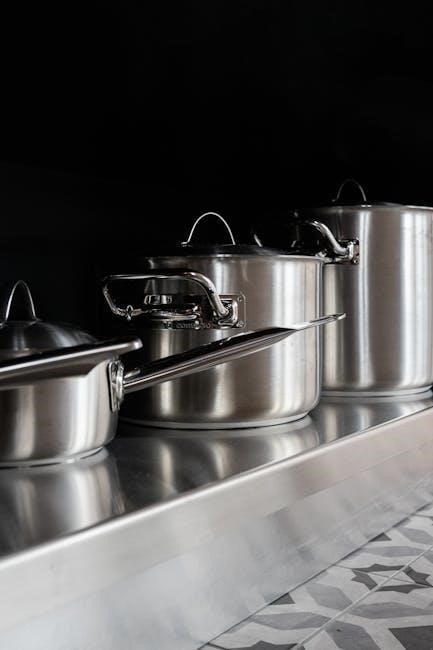
Fagor Pressure Cooker Instructions: A Comprehensive Guide
Welcome! This detailed manual unlocks your Fagor’s potential, offering guidance from initial setup to advanced techniques, ensuring safe and delicious results consistently․
Understanding Your Fagor Pressure Cooker
Fagor pressure cookers represent a blend of innovative design and robust functionality, streamlining your cooking process․ These appliances utilize pressurized steam to significantly reduce cooking times while preserving vital nutrients and enhancing flavors․ Understanding the core principles behind pressure cooking is crucial for safe and effective operation․
Unlike conventional cooking methods, a Fagor pressure cooker creates a sealed environment, trapping steam and increasing internal pressure․ This elevated pressure raises the boiling point of water, allowing food to cook at higher temperatures․ The result? Faster cooking, tenderized meats, and vibrant vegetables․ Familiarizing yourself with your specific model’s features – whether it’s a traditional stovetop version or a modern electric model – is the first step towards mastering this versatile kitchen tool․
This guide will navigate you through the intricacies of your Fagor, ensuring you harness its full potential for culinary success․
Identifying Fagor Pressure Cooker Models
Fagor offers a diverse range of pressure cookers, each designed to cater to varying culinary needs and preferences․ Models generally fall into two primary categories: stovetop and electric․ Stovetop models, often constructed from durable stainless steel, require a compatible cooktop and manual pressure regulation․ Electric models, conversely, boast integrated controls, pre-programmed settings, and automatic pressure management for enhanced convenience․
Within these categories, further distinctions exist based on capacity, features, and design․ Common model lines include the Futuro, Duo, and Rapid models, each possessing unique characteristics․ Identifying your specific model is crucial for accessing the correct instructions and ensuring optimal performance․ Locate the model number typically found on the underside of the cooker or within the user manual․
Knowing your model allows you to utilize specific features and troubleshoot effectively, maximizing your cooking experience․
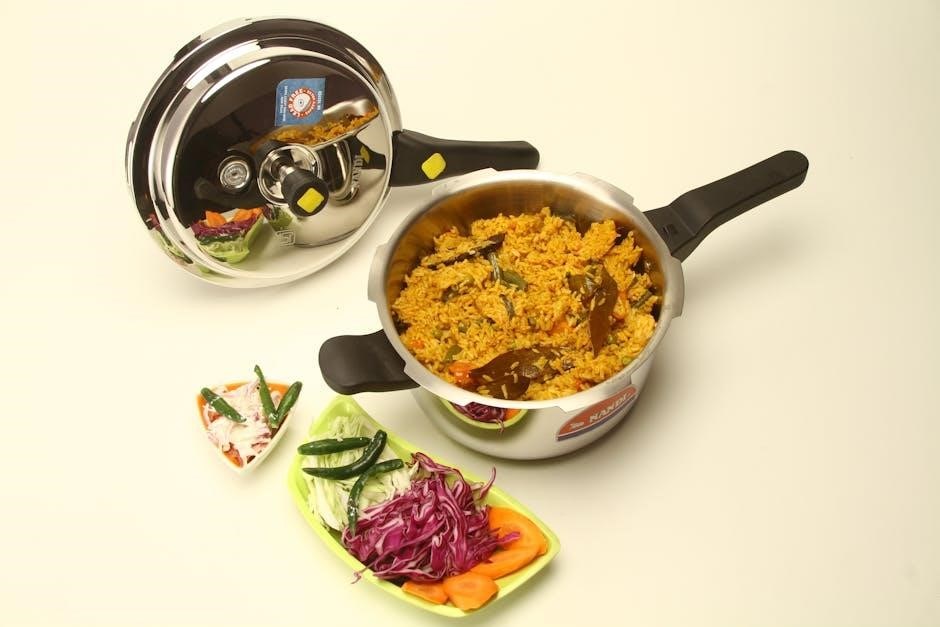
Key Components and Parts Diagram
Understanding the anatomy of your Fagor pressure cooker is essential for safe and efficient operation․ Core components include the cooker body (typically stainless steel), a secure-fitting lid with a sealing gasket, and pressure release mechanisms – a valve for controlled release and a safety valve for emergency situations․
Internal parts consist of the cooking pot, often removable for easy cleaning, and potentially a steam rack or trivet for elevated cooking․ Electric models feature a heating element and a control panel․ The locking mechanism ensures a tight seal during pressure build-up․
Refer to the detailed diagram in your user manual to visually identify each part․ Familiarize yourself with the location and function of the pressure regulator, safety features, and sealing gasket․ Proper understanding of these components will aid in assembly, operation, and maintenance, extending the lifespan of your Fagor cooker․
Safety Precautions Before First Use
Prior to your inaugural cooking experience with your Fagor pressure cooker, meticulous safety checks are paramount․ Thoroughly inspect the sealing gasket for any cracks or damage, replacing it if necessary to ensure a proper seal․ Verify the pressure release valve and safety valve are unobstructed and functioning correctly – crucial for preventing pressure build-up․
Wash all removable parts with warm, soapy water and rinse thoroughly․ Perform a “water test” – add a cup of water, seal the lid, and heat on high for a short period to confirm proper sealing and valve operation․ Never force the lid open if pressure remains․
Always read the complete instruction manual before use, understanding all safety warnings and operating procedures․ Ensure the cooker is placed on a stable, heat-resistant surface, away from flammable materials․ Following these precautions guarantees a safe and enjoyable pressure cooking journey․

Getting Started: Basic Operation
Begin your culinary adventure by familiarizing yourself with the simple steps of adding ingredients, securing the lid, and selecting appropriate pressure levels․
Preparing Food for Pressure Cooking
Optimal results with your Fagor pressure cooker begin with proper food preparation․ Trim excess fat from meats, as it doesn’t render effectively under pressure and can affect flavor․ Cut meats into uniform, bite-sized pieces for even cooking; larger chunks require significantly longer processing times․
Vegetables should also be cut into consistent sizes, though smaller than those for traditional cooking methods, due to the accelerated cooking process․ Root vegetables like potatoes and carrots benefit from slightly larger cuts to prevent mushiness;
For grains and beans, rinsing is crucial to remove excess starch, preventing foaming and potential clogging of the pressure release valve․ Remember that pressure cooking doesn’t “create” flavors; it intensifies existing ones, so seasoning appropriately before pressure cooking is key․ Avoid overfilling the cooker, leaving ample space for steam circulation – a critical safety and performance factor․
Adding Liquids: Minimum and Maximum Levels
Crucially, your Fagor pressure cooker requires liquid to generate the steam necessary for operation․ Always adhere to the minimum liquid requirements specified in your model’s manual – typically around 1 cup (240ml) – to prevent scorching and ensure proper pressure build-up․ Insufficient liquid can damage the unit and compromise food safety․
However, exceeding the maximum fill line is equally problematic․ The maximum level, usually indicated on the inner pot, prevents liquid from reaching the pressure release valve and potentially causing a dangerous situation․ Generally, do not fill beyond two-thirds of the pot’s capacity․
The amount of liquid also depends on the food being cooked; denser foods like beans require more liquid than vegetables․ Remember that liquid doesn’t necessarily evaporate entirely during cooking, and some will be absorbed by the food․
Proper Sealing and Locking Mechanisms
Ensuring a secure seal is paramount for safe and effective pressure cooking with your Fagor․ Before each use, inspect the sealing ring (gasket) for cracks, tears, or deformation․ A damaged ring will prevent proper pressure build-up․ Ensure it’s correctly positioned within the lid․
The lid must lock securely into place․ Fagor cookers typically feature a clear locking indicator – often a visual marker or audible click – confirming a tight seal․ Never attempt to operate the cooker if the lid isn’t fully locked․ Forcing it can cause damage and potential injury․
Regularly check the steam release valve and float valve to ensure they move freely․ Obstructions can hinder pressure regulation․ Proper locking prevents steam from escaping around the lid, maintaining consistent pressure for efficient cooking․
Pressure Settings: Low, Medium, High
Fagor pressure cookers offer varying pressure levels to accommodate different food types and desired textures․ Low pressure (typically 8 PSI) is ideal for delicate foods like fish, eggs, and certain vegetables, preventing them from becoming mushy․ It’s also suitable for stocks and poaching․
Medium pressure (around 11 PSI) is a versatile setting for most meats, poultry, and heartier vegetables․ It provides a good balance between cooking speed and preserving food quality․ This setting is often used for soups and stews․
High pressure (15 PSI) is best for tough cuts of meat, beans, and foods requiring the fastest cooking times․ Use caution with high pressure, as it can overcook delicate items․ Always refer to recipes for recommended pressure settings․
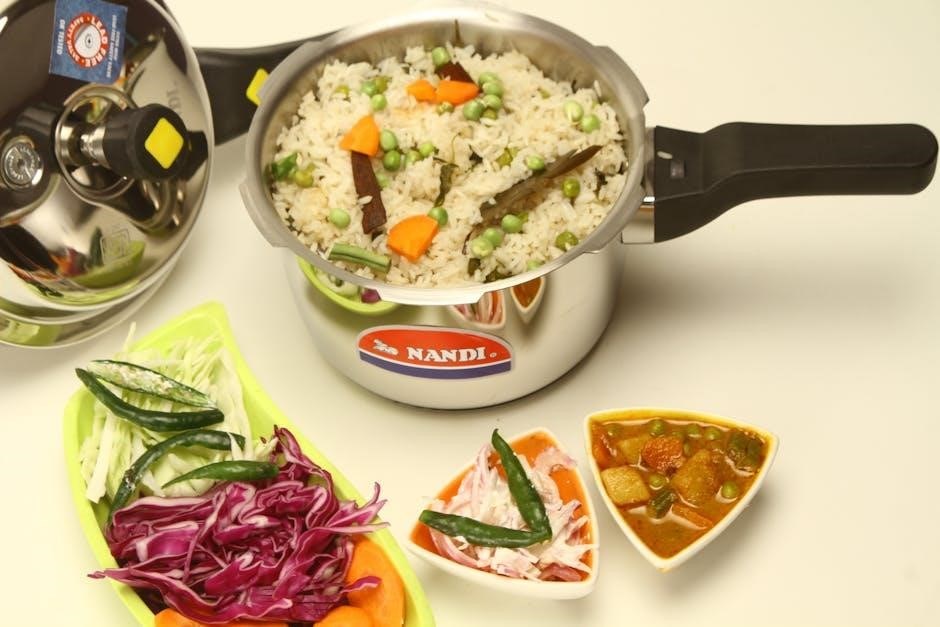
Cooking with Your Fagor Pressure Cooker
Explore culinary possibilities! Master cooking times for meats, vegetables, and grains, alongside pressure release techniques, to unlock flavorful and efficient meal preparation․
Cooking Times for Common Foods (Meats)
Achieving tender, flavorful meats is simplified with your Fagor pressure cooker․ Cooking times vary based on cut and size, but here’s a general guide․ For beef chuck roast (2-3 lbs), aim for 30-40 minutes on high pressure, followed by a natural pressure release․
Pork shoulder (2-3 lbs) typically requires 25-35 minutes on high, with a natural release․ Chicken pieces (1․5-2 lbs) cook in just 10-15 minutes on high, followed by a quick release․ Whole chickens (3-4 lbs) benefit from 20-25 minutes on high and a natural release․
Lamb shanks (1․5-2 lbs) need approximately 35-45 minutes on high, with a natural release․ Remember these are estimates; always ensure internal temperature reaches safe levels using a meat thermometer․ Adjust cooking times slightly based on your preference for tenderness․ Experiment and enjoy consistently delicious results!
Cooking Times for Common Foods (Vegetables)
Pressure cooking vegetables retains vibrant color, essential nutrients, and delivers exceptional texture․ Root vegetables like potatoes and carrots require approximately 4-7 minutes on high pressure, followed by a quick release to prevent overcooking․ Broccoli and cauliflower benefit from just 2-4 minutes on high, also with a quick release, ensuring they remain crisp-tender․
Green beans typically need 3-5 minutes on high, followed by a quick release․ For denser vegetables like butternut squash, aim for 8-10 minutes on high and a natural pressure release․
Leafy greens, such as spinach, cook incredibly quickly – just 1-2 minutes on high, immediately followed by a quick release․ Always adjust times based on desired tenderness and quantity․ Remember to add a small amount of liquid to prevent sticking and ensure even cooking․
Cooking Times for Common Foods (Grains & Beans)
Pressure cooking dramatically reduces the time needed to prepare grains and beans, making them incredibly convenient․ Dried beans, like kidney or black beans, require approximately 25-30 minutes on high pressure, followed by a natural pressure release for optimal texture and digestibility․ Avoid adding acidic ingredients (like tomatoes) until after pressure cooking, as they can hinder bean softening․
Rice, a staple for many, cooks in just 3-5 minutes on high pressure, followed by a 10-minute natural pressure release․ Quinoa needs around 2-3 minutes on high, with a similar natural release․
For steel-cut oats, use a ratio of 1 part oats to 3 parts liquid and cook for 3-4 minutes on high, followed by a quick release․ Adjust liquid levels and cooking times slightly based on your Fagor model and desired consistency․
Releasing Pressure: Natural vs; Quick Release
Understanding pressure release methods is crucial for safety and optimal results․ Natural Pressure Release (NPR) involves allowing the pressure to dissipate on its own, typically taking 10-30 minutes․ This is ideal for soups, stews, and foods with high liquid content, preventing splattering and ensuring even cooking․ NPR yields more tender results, especially for meats․
Quick Release (QR) involves manually releasing the pressure by carefully activating the pressure release valve․ This is faster but can cause liquids to sputter, so it’s best for foods where texture isn’t paramount, like vegetables․ Always point the steam away from yourself and cabinets․
Some recipes may call for a combination – a partial NPR followed by a QR․ Always consult your recipe and prioritize safety when releasing pressure․
Advanced Techniques & Features
Explore beyond basics! Discover sautéing, delay start, and steam release mastery, alongside accessory utilization, to unlock the full potential of your Fagor cooker․
Sautéing Function: Browning Before Pressure Cooking
Enhance flavor profiles with your Fagor’s sauté function, a crucial step for many recipes․ Before pressure cooking, browning meats and vegetables directly in the pot builds depth and richness․ This process, known as the Maillard reaction, creates complex flavors that simply aren’t achievable through pressure cooking alone․
To sauté, select the ‘Sauté’ setting on your Fagor․ Add oil to the pot and allow it to heat up․ Then, add your ingredients – typically meats first, followed by aromatics like onions and garlic․ Cook, stirring frequently, until browned to your liking․
Important considerations: Avoid overcrowding the pot, as this will steam instead of brown the ingredients․ Deglaze the pot with a liquid (broth, wine, or water) after sautéing to loosen any browned bits stuck to the bottom – these bits are packed with flavor! Ensure all liquids are incorporated before sealing and pressurizing․
Delay Start Timer Functionality
Convenience at your fingertips! The delay start timer allows you to prepare ingredients in advance and schedule cooking to begin later, perfect for busy lifestyles․ This feature ensures a hot, freshly cooked meal awaits you upon your return․ To utilize this function, first, prepare your recipe as usual, adding all ingredients and liquids to the pot․
Next, select the ‘Delay Start’ option on your Fagor pressure cooker․ Use the control panel to set the desired delay time – specify how many hours and minutes you want the cooking process to be postponed․ Important safety note: Do not use the delay start function with recipes containing perishable ingredients that could spoil if left at room temperature for an extended period․
Once the delay time elapses, the pressure cooker will automatically begin the cooking cycle․ Enjoy the freedom and flexibility this feature provides!
Steam Release Methods & Safety
Understanding steam release is crucial for safe operation! Fagor pressure cookers offer two primary methods: natural pressure release (NPR) and quick pressure release (QPR)․ NPR involves allowing the pressure to dissipate gradually on its own – ideal for soups and dishes where maintaining texture is important․ QPR utilizes the steam release valve to rapidly reduce pressure, shortening cooking time, but potentially affecting food texture․
Safety first! When performing QPR, always direct the steam away from your face and hands to avoid burns․ Use a long utensil or wear oven mitts․ Never attempt to force open the lid while pressure remains inside․ Ensure the steam release valve is clear of obstructions before each use․
Fagor cookers are designed with safety in mind, but responsible operation is paramount․ Familiarize yourself with your model’s specific steam release instructions for optimal results and a secure cooking experience․
Using Accessories: Steamer Basket, Trivet
Expand your Fagor’s versatility with included accessories! The steamer basket is perfect for healthy cooking, allowing you to steam vegetables, fish, and dumplings without losing vital nutrients․ Ensure food is placed above the water level, utilizing the basket’s perforated design for even steam circulation․
The trivet serves a dual purpose: preventing food from scorching on the bottom of the cooker and elevating items for optimal pressure distribution; It’s essential when cooking delicate foods or using the sauté function before pressure cooking․
Proper usage is key! Always ensure accessories are securely positioned before locking the lid․ Avoid overcrowding the basket or trivet to maintain efficient steam flow․ Refer to your recipe for specific accessory recommendations and cooking times․

Maintenance and Troubleshooting
Keep your Fagor functioning optimally! Regular cleaning and addressing common issues like sealing or pressure regulation will ensure years of reliable performance and safety․
Cleaning Your Fagor Pressure Cooker
Maintaining cleanliness is crucial for both hygiene and optimal performance of your Fagor pressure cooker․ After each use, allow the cooker to cool completely before disassembling․ The inner pot is typically dishwasher safe, but hand washing with warm, soapy water is also effective․
The lid requires careful attention; remove the sealing ring and valve, washing them separately with soap and water․ Inspect the sealing ring for cracks or damage, replacing it if necessary․ The lid itself can be wiped clean with a damp cloth․
Avoid abrasive cleaners or scouring pads, as these can damage the surfaces․ For stubborn food residue, soak the inner pot in warm, soapy water before cleaning․ Ensure all parts are thoroughly dried before reassembling․ Regular cleaning prevents buildup and ensures safe, efficient operation, extending the lifespan of your Fagor pressure cooker․
Descaling the Pressure Cooker
Over time, mineral deposits from hard water can accumulate inside your Fagor pressure cooker, affecting its performance and potentially causing damage․ Descaling removes these deposits, ensuring efficient operation․ A simple solution of equal parts white vinegar and water is effective․
Pour the mixture into the inner pot, filling it to the maximum fill line․ Close and lock the lid, then run a normal pressure cooking cycle on high pressure for approximately 5-10 minutes․ Allow the pressure to release naturally․
Once cooled, carefully empty the pot and rinse thoroughly with fresh water․ Repeat the process if necessary for stubborn buildup․ Descaling should be performed every few months, or more frequently if you have hard water․ This preventative maintenance extends the life of your Fagor and maintains optimal cooking results․
Troubleshooting Common Issues (Sealing Problems)
A proper seal is crucial for safe and effective pressure cooking․ If steam escapes from around the lid, the seal ring may be improperly positioned, damaged, or dirty․ First, ensure the seal ring is correctly seated within the lid’s groove – a slight twist can help․
Inspect the ring for cracks, tears, or deformation; replace it if necessary․ Clean the seal ring after each use with mild soap and water, ensuring it’s completely dry before reinstallation․ Also, check the rim of the inner pot for any debris or damage that might prevent a tight seal․
If issues persist, verify the lid is securely locked into place․ A faulty locking mechanism can also cause sealing problems․ Consistent sealing issues warrant contacting Fagor support for assistance․
Troubleshooting Common Issues (Pressure Regulation)
Consistent pressure is key to successful cooking․ If your Fagor pressure cooker isn’t reaching or maintaining the correct pressure, several factors could be at play․ First, ensure sufficient liquid is present, as too little can prevent pressure build-up․ Conversely, exceeding the maximum fill line can cause erratic pressure release․
Check the pressure regulator (weight or valve) for obstructions – food particles can interfere with its function․ Verify it’s correctly positioned and moving freely․ If the cooker is consistently losing pressure too quickly, the seal ring might be the culprit (see sealing problems section)․

For electric models, confirm the heating element is functioning correctly․ If problems continue, consult the Fagor support team for expert guidance․
Fagor Pressure Cooker Parts & Support
Need assistance? Find genuine replacement parts and access comprehensive warranty details, plus registration options, directly through Fagor’s official support channels online․
Finding Replacement Parts
Ensuring longevity for your Fagor pressure cooker often requires replacing worn or damaged parts․ Fortunately, sourcing these components is straightforward․ Begin by visiting the official Fagor website; they typically maintain a dedicated section for spare parts, categorized by model number․
Alternatively, several reputable online retailers specialize in pressure cooker parts, offering a wide selection of Fagor-compatible components․ When ordering, always verify the part number against your cooker’s model to guarantee compatibility․ Common replacements include sealing rings, pressure valves, safety release plugs, and occasionally, entire lid assemblies․
Before purchasing, consider checking user forums and online communities dedicated to Fagor appliances․ Experienced users often share valuable insights regarding reliable suppliers and potential compatibility issues․ Keep your model number handy when contacting customer support or searching for parts – it’s crucial for accurate identification and ordering․
Warranty Information & Registration
Protecting your investment begins with understanding your Fagor pressure cooker’s warranty․ Fagor typically offers a limited warranty covering defects in materials and workmanship for a specified period, usually one to two years from the date of purchase․ This warranty doesn’t cover damage resulting from misuse, accidents, or unauthorized repairs․
Registering your product is crucial to activate the warranty and streamline any potential claims․ Visit the official Fagor website and locate the warranty registration page․ You’ll generally need your model number, serial number, and proof of purchase (receipt) to complete the process;
Carefully review the warranty terms and conditions for specific coverage details and exclusions․ Retain your proof of purchase in a safe place, as it’s required for any warranty service․ Should you encounter issues, contact Fagor’s customer support for assistance and guidance on initiating a warranty claim․
No Responses