
Sheltered Instruction Observation Protocol (SIOP): A Comprehensive Overview
The SIOP model, developed by Echevarria, Vogt, and Short, enhances content comprehension for English Language Learners through eight interconnected components, fostering academic success․
The Sheltered Instruction Observation Protocol (SIOP) represents a research-based approach designed to make academic content accessible to English Language Learners (ELLs)․ Developed by Jana Echevarria, Mary Ellen Vogt, and Deborah J; Short, SIOP isn’t a separate curriculum, but rather a framework for lesson planning and delivery․ It focuses on integrating language development with content-area instruction, ensuring ELLs can both acquire knowledge and improve their English proficiency simultaneously․
The model’s core aim is to shield students from language barriers while providing rigorous academic challenges, ultimately promoting their overall educational achievement․

Historical Context and Developers
The SIOP model emerged from a need to effectively address the growing number of English Language Learners in US schools during the late 20th and early 21st centuries․ Researchers observed a gap between content instruction and language support, hindering ELLs’ academic progress․
Jana Echevarria, Mary Ellen Vogt, and Deborah J․ Short, leading experts in language acquisition and sheltered instruction, collaboratively developed the SIOP protocol․ Their work synthesized research on second language acquisition, pedagogy, and effective teaching practices, resulting in a practical and comprehensive framework for educators․
The Core Principles of Sheltered Instruction
Sheltered instruction centers on making grade-level content accessible to English Language Learners while simultaneously promoting their English language development․ It’s not “watering down” content, but rather strategically modifying instruction․
Key principles include providing ample opportunities for comprehensible input, building upon students’ background knowledge, and fostering a supportive classroom environment․ The SIOP model emphasizes integrated content and language objectives, ensuring students learn both the subject matter and the language needed to succeed․ It prioritizes interaction and hands-on practice․

The Eight Components of SIOP
SIOP’s eight components – preparation, building background, comprehensible input, strategies, interaction, practice, delivery, and assessment – work together to create effective, sheltered lessons․
Component 1: Lesson Preparation
Effective lesson preparation is foundational to the SIOP model, demanding teachers create lessons linking students’ existing knowledge to new information․ This involves crafting both content and language objectives, clearly displayed and articulated․ Content objectives define what students will learn, while language objectives specify how they’ll learn it, tailored to their linguistic needs․ Lessons must be age and educationally appropriate, utilizing supplementary materials like charts, graphs, and multimedia to enhance understanding․ Furthermore, incorporating graphic organizers, study guides, and adapted texts supports accessibility for all learners;

Content and Language Objectives – Defining Clarity
Clearly defined objectives are central to SIOP’s success․ Content objectives articulate the specific knowledge students will acquire during the lesson – the core academic concepts․ Complementing these, language objectives detail how students will demonstrate their understanding of that content, focusing on linguistic skills․ These objectives should be prominently displayed, both written in accessible language on the board and stated orally․ Language objectives are directly informed by students’ needs, guiding instruction and assessment to ensure comprehension and participation․
Key Elements of Effective Lesson Planning
Effective lesson planning within the SIOP framework prioritizes connections between students’ existing knowledge and new information․ This involves selecting concepts appropriate for their age and educational level․ Crucially, plans must integrate supplementary materials – charts, graphs, pictures, multimedia, and manipulatives – to enhance understanding․ Demonstrations, graphic organizers like outlines and labeling exercises, study guides, adapted texts, and highlighted materials are also vital․ Thoughtful preparation ensures lessons are accessible and build upon prior learning, maximizing student engagement and comprehension․
Appropriateness of Content for Student Levels
Selecting content that aligns with students’ age and educational level is paramount in SIOP implementation․ Lessons should neither overwhelm nor under-challenge learners․ Careful consideration must be given to their cognitive abilities and existing knowledge base․ Content should be presented in a manner that is accessible, building upon previously learned concepts․ Adapting materials, simplifying language, and providing scaffolding are essential strategies․ Ensuring content appropriateness fosters a positive learning environment where all students can actively participate and achieve success, maximizing comprehension․
Use of Supplementary Materials & Resources
Effective SIOP lessons heavily utilize supplementary materials to enhance understanding․ These include charts, graphs, pictures, illustrations, and multimedia resources, catering to diverse learning styles․ Manipulatives provide hands-on experiences, solidifying abstract concepts․ Demonstrations visually clarify procedures and ideas․ The strategic integration of these resources makes content more comprehensible for English Language Learners․ Teachers should thoughtfully select materials that support both content and language objectives, ensuring accessibility and promoting active engagement with the lesson’s core concepts․
Component 2: Building Background
Building background knowledge is crucial within the SIOP model for English Language Learners․ This component focuses on linking new information to students’ existing knowledge and experiences․ Effective instruction actively connects concepts to what students already know, making learning more meaningful and accessible․ Strategies involve explicitly relating content to students’ cultural backgrounds and prior learning․ This pre-teaching phase prepares students to better comprehend and retain new material, bridging the gap between their current understanding and the lesson’s objectives, ultimately fostering comprehension․
Linking to Students’ Prior Knowledge
Effectively linking to students’ prior knowledge is a cornerstone of the SIOP model․ Teachers should intentionally activate what students already know about a topic before introducing new concepts․ This connection builds a bridge between the familiar and the unfamiliar, enhancing comprehension and retention․ Strategies include brainstorming, KWL charts (Know, Want to know, Learned), and discussions that tap into students’ experiences․ Recognizing and valuing students’ existing knowledge fosters engagement and creates a more inclusive learning environment, maximizing their potential for success․
Strategies for Activating Background Knowledge
Numerous strategies effectively activate students’ background knowledge within the SIOP framework․ Utilizing graphic organizers like concept maps and semantic webs visually connects new information to existing schemas․ Pre-teaching vocabulary, particularly cognates, aids comprehension․ Think-Pair-Share activities encourage collaborative recall and discussion․ Employing realia – authentic objects – provides concrete connections․ Asking open-ended questions prompts students to share personal experiences related to the topic; These techniques ensure students aren’t starting from zero, but building upon a foundation of prior understanding, leading to deeper learning․
Component 3: Comprehensible Input

Comprehensible input is central to the SIOP model, ensuring English Language Learners can understand the content․ This involves clear explanations of concepts, avoiding overly complex language․ Utilizing visual aids – charts, graphs, pictures, and demonstrations – significantly enhances understanding․ Teachers should speak slowly and distinctly, repeating key information․ Providing opportunities for students to clarify their understanding through questioning is crucial․ Simplifying sentence structure and using familiar vocabulary further supports comprehension, making content accessible to all learners and fostering engagement․
Clear Explanation of Concepts
Effective SIOP implementation demands teachers provide exceptionally clear explanations of new concepts․ Avoiding jargon and complex sentence structures is paramount for English Language Learners․ Teachers should present information in a logical sequence, building upon prior knowledge․ Paraphrasing and re-stating ideas in multiple ways ensures understanding․ Regularly checking for comprehension through questioning and observation is vital․ Supplementing verbal explanations with visual aids, like diagrams and realia, further clarifies abstract concepts, making the content accessible and fostering student confidence․
Use of Visual Aids and Demonstrations
The SIOP model strongly advocates for the strategic use of visual aids and demonstrations to enhance comprehension․ Charts, graphs, pictures, illustrations, and multimedia resources make abstract concepts more concrete for English Language Learners․ Demonstrations provide a visual representation of processes, reducing reliance on solely linguistic input․ Manipulatives allow for hands-on exploration, solidifying understanding․ These tools support diverse learning styles and bridge language gaps, ensuring all students can access and engage with the content effectively, promoting a richer learning experience․
Component 4: Strategies
The fourth SIOP component centers on employing learning strategies that bolster comprehension and retention for English Language Learners․ This includes utilizing graphic organizers – like outlines and labeling exercises – to visually structure information․ Teachers should also provide study guides, adapted texts with highlighted key vocabulary, and marginal notes to support understanding․ These strategies scaffold learning, making content accessible while simultaneously developing students’ academic language proficiency․ Effective implementation requires deliberate planning and modeling of these techniques within lessons․
Employing Graphic Organizers
Graphic organizers are a crucial strategy within the SIOP model, visually representing relationships between concepts․ Tools like outlines, labeling exercises, and concept maps aid comprehension by structuring information in an accessible format for English Language Learners․ They help students organize thoughts, identify key details, and make connections to prior knowledge․ Teachers should explicitly model how to use these organizers, providing guided practice before independent application․ This supports both content understanding and language development, fostering academic success․
Utilizing Study Guides and Adapted Texts
Study guides and adapted texts are essential components of comprehensible input within the SIOP framework․ Providing students with structured study guides, including marginal notes and highlighted text, pre-teaches key vocabulary and concepts․ Adapting texts – simplifying language, shortening length, or providing visual support – makes content accessible to varying language proficiency levels․ These modifications ensure English Language Learners can engage with the material, focusing on content acquisition rather than struggling with linguistic complexity․ This supports both understanding and participation․
Component 5: Interaction
Frequent and meaningful interaction is a cornerstone of the SIOP model, fostering language development and content understanding․ This component emphasizes creating a classroom environment where students actively engage with the material and with each other․ Strategies include think-pair-share, group discussions, and collaborative projects․ Encouraging student-to-student interaction provides opportunities for negotiation of meaning, peer support, and increased confidence․ The goal is to maximize student speaking time and create a supportive learning community where risks are encouraged․
Fostering Frequent and Meaningful Interaction
SIOP’s fifth component prioritizes maximizing student discourse․ Teachers should structure activities that demand communication, moving beyond simple recall to higher-order thinking․ Techniques like paired interviews, cooperative problem-solving, and structured debates promote active participation․ Careful monitoring ensures equitable contribution, addressing language barriers with scaffolding․ Interaction isn’t merely about talking; it’s about collaborative construction of knowledge․ A supportive atmosphere where students feel safe to express themselves, even with errors, is crucial for language acquisition and content mastery․
Strategies for Encouraging Student-to-Student Interaction
Effective SIOP implementation utilizes diverse strategies to boost peer interaction․ Think-Pair-Share, where students contemplate individually, discuss with a partner, and then share with the class, is invaluable․ Jigsaw activities, assigning different content pieces to groups who then teach each other, promote collaboration․ Rotating pairs for discussions ensures varied perspectives․ Explicitly teaching conversation starters and sentence frames supports language learners․ The goal is to create a classroom culture where students routinely learn from and with each other, building both language and content understanding․

Component 6: Practice and Application
SIOP’s sixth component centers on providing ample opportunities for students to apply newly acquired knowledge and skills․ This extends beyond rote memorization, emphasizing hands-on activities and connections to the real world․ Lessons should incorporate tasks that allow students to demonstrate understanding in varied ways․ These activities should build upon prior instruction and progressively increase in complexity․ Meaningful practice solidifies learning, making content more accessible and fostering deeper comprehension for English Language Learners through active engagement and relevant application․
Providing Opportunities for Application of Skills
Effective SIOP implementation necessitates deliberate planning for skill application․ Teachers must design activities where students actively use what they’ve learned, moving beyond simple recall․ This includes tasks requiring higher-order thinking, problem-solving, and creative expression․ Opportunities should be differentiated to meet diverse language proficiency levels․ Connecting learning to real-world scenarios enhances relevance and motivation․ Frequent checks for understanding during application ensure students are successfully transferring knowledge, solidifying comprehension and building confidence in their abilities․
Hands-on Activities and Real-World Connections
SIOP’s Component 6 emphasizes learning through doing․ Hands-on activities, like experiments or simulations, make abstract concepts concrete for English Learners․ These experiences boost engagement and comprehension․ Crucially, connect lessons to students’ lives and the world around them․ Real-world applications demonstrate the relevance of content, increasing motivation․ Utilizing manipulatives, visuals, and collaborative projects further supports understanding․ This approach ensures learning isn’t isolated to the classroom, but rather a tool for navigating and interacting with their environment effectively․
Component 7: Lesson Delivery
Effective lesson delivery, a core SIOP component, requires careful pacing to maintain student engagement․ Teachers should monitor understanding continuously, observing student responses and providing immediate clarification․ Adjusting the pace based on student needs is vital․ Techniques like think-pair-share and frequent checks for understanding ensure all learners are following along․ Clear articulation, appropriate wait time, and enthusiastic presentation further enhance comprehension․ This component isn’t just what is taught, but how it’s presented, maximizing accessibility for English Language Learners․

Pacing and Engagement Techniques
Strategic pacing is crucial within SIOP’s lesson delivery․ Teachers must adjust the speed of instruction based on student comprehension, avoiding rushing or dwelling too long on concepts․ Engagement techniques, such as incorporating movement, games, and realia, maintain student focus․ Frequent checks for understanding – quick questions, thumbs-up/down – provide immediate feedback․ Varying instructional methods, like pairing activities or small group work, caters to diverse learning styles․ A dynamic and responsive approach ensures all students remain actively involved and benefit from the lesson․
Monitoring Student Understanding During Instruction
Consistent monitoring of student comprehension is a cornerstone of effective SIOP lesson delivery․ Teachers should employ varied techniques, including observation of student work, questioning strategies, and informal assessments․ Circulating during activities allows for direct observation of student engagement and identification of struggling learners․ Utilizing “think-pair-share” or exit tickets provides valuable insights into understanding․ Adjusting instruction during the lesson, based on observed needs, is vital․ This responsive teaching ensures all students access and master the content․
Component 8: Review and Assessment
Comprehensive review and assessment are integral to the SIOP model, encompassing both formative and summative strategies․ Formative assessments, like observations and questioning, monitor learning during instruction, allowing for immediate adjustments․ Summative assessments, such as tests or projects, evaluate overall mastery․ Providing students with specific, constructive feedback is crucial for growth․ The SIOP framework emphasizes that assessment isn’t solely about grading; it’s a continuous process informing instruction and ensuring all learners achieve content and language objectives․
Formative and Summative Assessment Strategies
SIOP’s assessment component utilizes both formative and summative approaches․ Formative strategies – observations, questioning, quick checks – continuously monitor student understanding during lessons, enabling real-time adjustments to instruction․ Summative assessments, like projects or tests, evaluate learning at a lesson’s conclusion․ Effective strategies include student self-assessments and peer feedback․ These methods provide valuable data, informing teachers about student progress and areas needing further support, ultimately ensuring content and language objectives are met by all learners․
Providing Feedback and Adjusting Instruction
SIOP emphasizes that assessment isn’t simply grading; it’s a cycle of feedback and instructional refinement․ Teachers should provide specific, timely feedback to students, focusing on both content and language development․ This feedback guides students toward mastery․ Crucially, teachers must use assessment data to adjust their lessons – modifying pacing, re-teaching concepts, or providing additional support․ This responsive teaching ensures all students, particularly English Language Learners, have opportunities to succeed and reach their full potential within the SIOP framework․

Implementing SIOP in the Classroom
SIOP’s benefits include increased comprehension and engagement for English Learners, while implementation requires careful planning, ongoing professional development, and collaborative teaching practices․
Benefits of Using the SIOP Model
The SIOP model offers substantial advantages for both English Language Learners (ELLs) and their teachers․ Primarily, it demonstrably increases content comprehension by making lessons more accessible and understandable․ This is achieved through a focus on both content and language objectives, ensuring students grasp key concepts and develop their English proficiency simultaneously․
Furthermore, SIOP fosters higher levels of student engagement and participation․ The structured approach, incorporating frequent interaction and hands-on activities, creates a more supportive and stimulating learning environment․ Teachers benefit from a research-based framework that provides clear guidelines for effective instruction, ultimately leading to improved academic outcomes for all students, not just ELLs․
Challenges and Considerations for Implementation

Implementing the SIOP model isn’t without its hurdles․ A significant challenge is the initial time investment required for thorough lesson planning, specifically crafting both content and language objectives․ Teachers may need professional development to fully understand and effectively utilize all eight components․
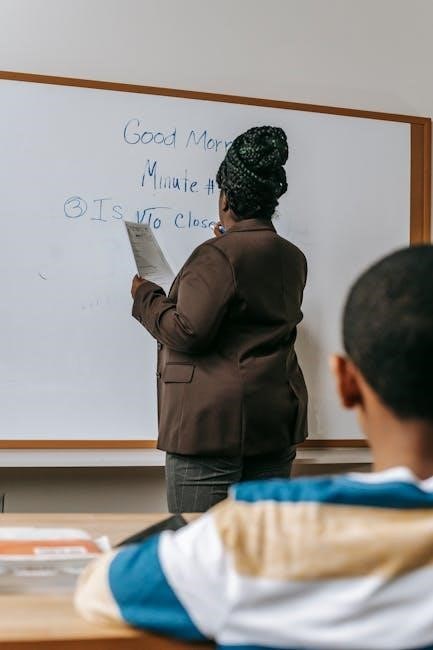
Additionally, adapting materials and differentiating instruction to meet diverse language levels can be demanding․ Ensuring sufficient supplementary materials – charts, visuals, adapted texts – requires resources and preparation․ Finally, consistently monitoring student understanding and providing appropriate feedback necessitates ongoing assessment and a willingness to adjust instruction based on observed needs․
No Responses