
Understanding Lactose Intolerance
Lactose intolerance is the inability to digest lactose, the sugar in dairy. Symptoms include bloating, gas, cramps, and diarrhea after consuming milk or cheese. Diagnosis involves breath or blood tests. A PDF diet plan helps track intake and avoid discomfort. Track intake and adjust portions daily now!!
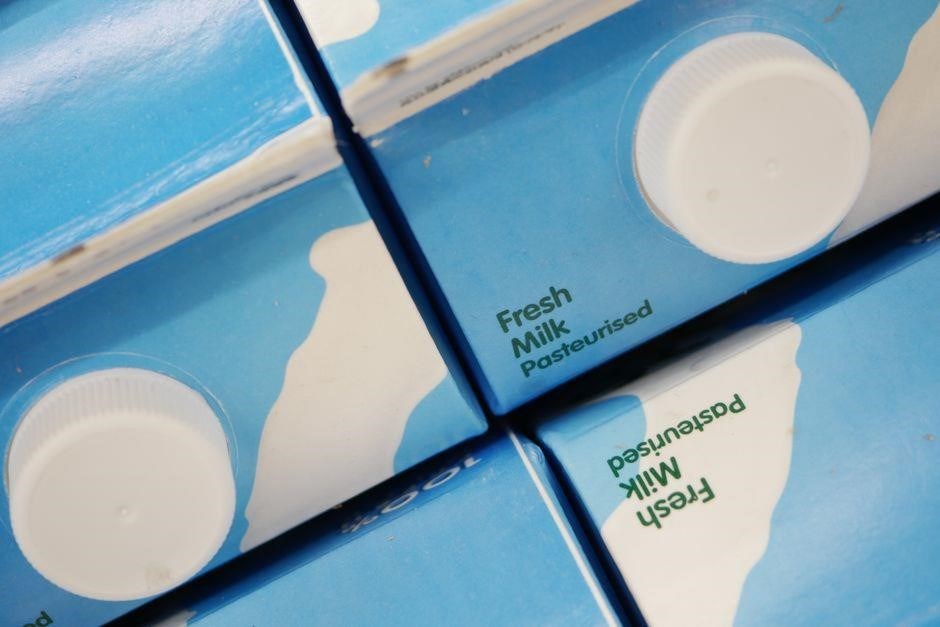
Causes and Symptoms
Lactose intolerance arises when the small intestine produces insufficient lactase, the enzyme that breaks down lactose into glucose and galactose. This deficiency can be congenital or develop over time, often triggered by age, genetics, or intestinal disorders such as celiac disease or Crohn’s disease. When lactose reaches the colon undigested, it ferments, producing gas, bloating, abdominal pain, cramps, and diarrhea. Symptoms vary in severity; some people tolerate small amounts of lactose, while others react to even trace quantities. Common triggers include milk, yogurt, cheese, ice cream, and processed foods containing hidden lactose. Rapid onset of symptoms after dairy consumption is a hallmark sign. Monitoring a food diary and noting symptom timing can help pinpoint sensitivity levels. A detailed PDF diet plan can guide portion control and alternative choices, reducing discomfort while maintaining balanced nutrition. By tracking symptoms alongside dietary intake, individuals can fine‑tune their tolerance threshold and achieve a comfortable, lactose‑free lifestyle. Adapting to a lactose‑free routine often involves exploring plant‑based milks, such as almond, soy, oat, or coconut, and checking labels for hidden lactose in sauces, dressings, and baked goods. Incorporating fermented foods like kimchi or kefir can aid digestion. Staying hydrated and ensuring adequate calcium and vitamin D through fortified products or supplements helps maintain bone health. Consistent monitoring and gradual reintroduction can reveal personal tolerance thresholds, allowing a balanced, enjoyable diet. Stay balanced!
Diagnosis and Testing
When symptoms suggest lactose intolerance, a healthcare professional may recommend specific tests to confirm the condition. The most common diagnostic tools include the hydrogen breath test, where a patient drinks a lactose solution and breath samples are taken over several hours to measure hydrogen levels; elevated hydrogen indicates lactose fermentation in the gut. Another option is the lactose tolerance blood test, which measures blood glucose rise after lactose ingestion; a blunted glucose response signals malabsorption. For patients with ambiguous results, a stool acidity test can detect undigested lactose in the colon. In addition, a small intestinal biopsy may be performed to evaluate lactase enzyme activity directly, especially in cases of congenital deficiency. These tests help differentiate lactose intolerance from other gastrointestinal disorders such as celiac disease or irritable bowel syndrome. Once a diagnosis is confirmed, a tailored lactose‑free PDF diet plan can be created, allowing precise tracking of tolerated amounts and safe food substitutions. Regular follow‑up ensures the plan remains effective as tolerance levels may change over time. Accurate testing is the foundation for a successful, personalized dietary strategy. Patients often undergo a lactose challenge, where a controlled amount of lactose is administered and symptoms recorded. The results guide a personalized PDF plan that balances nutrients while preventing discomfort. Genetic testing may identify lactase persistence genes, offering insight into long‑term tolerance. A trial elimination diet removes all dairy for 2–4 weeks, then small amounts are reintroduced to assess thresholds. This iterative approach, documented in PDF, lets patients track changes, adjust portions, and maintain confidence in meal choices. Regular follow‑up ensures plan effectiveness and again.

Importance of a PDF Diet Plan
PDF diet plans offer clear, printable guidance, enabling patients to track lactose intake, identify safe foods, and adjust portions easily. They provide customizable charts, meal logs, and quick reference for grocery shopping, ensuring consistent adherence and reducing discomfort and supports health daily!!
Accessibility and Customization
PDF diet plans for lactose‑intolerant individuals are designed to be universally accessible and highly customizable. Because PDFs can be opened on smartphones, tablets, laptops, and desktops, patients can view their meal charts anywhere, even offline. The format supports screen‑reader compatibility, allowing visually impaired users to navigate sections, tables, and nutritional data with ease.
Customizability is achieved through editable templates that let users adjust portion sizes, swap foods, and add personal notes. Color‑coded sections for dairy, lactose‑free alternatives, and hidden lactose sources help users quickly identify safe choices. Annotating directly on the PDF lets patients mark tried items and track reactions.
For users with additional restrictions, the PDF can be tailored to include gluten‑free, low‑sugar, or vegan options. Exporting the plan to spreadsheet software allows advanced tracking, and printing hard copies supports kitchen reference. Many apps sync logged meals and symptom reports, integrating data for a holistic view.
Users can also share their PDF plans with healthcare professionals for personalized guidance, ensuring continuous improvement, tracking progress, and celebrating victories in their lactose‑free journey.
Tracking Progress


Keeping a detailed log is essential for managing lactose intolerance. A PDF diet plan includes a built‑in tracker table where you record daily servings, symptoms, and mood. By marking each meal, you spot patterns—e.g., bloating after a particular cheese or a smooth day after switching to almond milk. The PDF’s editable fields let you add notes such as “felt fine after 1 cup of oat milk” or “cramps after 2 tbsp of yogurt.”

Many users integrate the PDF with mobile health apps. After printing the tracker, you can scan the page into an app that syncs with your phone’s calendar. The PDF’s compatibility with screen readers also means that visually impaired users can record entries verbally, using built‑in dictation tools.
Progress is visualized by color‑coding entries: green for symptom‑free days, yellow for mild discomfort, and red for severe reactions. You can export data to a spreadsheet, generating graphs that show tolerance changes over weeks. Sharing these graphs with a dietitian provides concrete evidence for adjusting the plan.
Regular reviews—weekly or monthly—are recommended. During a review, you assess which foods trigger symptoms and which are safe. The PDF’s “review” section prompts you to set new goals, such as increasing lactose‑free dairy intake or trying a new plant‑based milk. This iterative process keeps the plan dynamic and responsive to your body’s signals.
Ultimately, tracking progress transforms a static diet plan into a living document that adapts to your needs, helping you maintain comfort, nutrition, and confidence. daily!!

Lactose-Free Food List PDF
Our PDF lists safe foods: lactose‑free milk, almond, soy, oat, coconut, rice, hemp, and dairy alternatives. It also highlights hidden lactose in processed items like cheese sauces, yogurt drinks, and baked goods. Use the list to swap and stay symptom‑free. Download the PDF for a printable, editable list. Now.
Top Lactose-Free Foods
Discover the best lactose‑free staples to keep your menu vibrant and symptom‑free. Our PDF highlights the most reliable options: lactose‑free milk, almond, soy, oat, coconut, rice, hemp, and pea protein. These plant‑based milks are fortified with calcium, vitamin D, and B12, making them excellent replacements for dairy. Fresh fruits, vegetables, whole grains, beans, lentils, nuts, seeds, and lean proteins such as chicken, turkey, fish, and tofu are naturally lactose‑free and provide essential nutrients. For snacking, choose unsweetened coconut yogurt, lactose‑free cheese slices, and nut‑based spreads. When cooking, use nutritional yeast, garlic‑infused oil, and fresh herbs for flavor. Pair these foods with a balanced plate: half vegetables, a quarter protein, and a quarter whole grain. This approach ensures you meet your macro‑and micronutrient needs while staying comfortable. Additionally, incorporate fermented foods like kimchi, sauerkraut, and kombucha for gut health. Keep a food diary to track tolerance levels and adjust portions accordingly. Remember to stay hydrated and include omega‑3 sources such as chia seeds and flaxseed. Try using lactose‑free butter alternatives like olive oil or avocado oil in baking. Experiment with homemade smoothies blending frozen berries, spinach, and a scoop of pea protein for a creamy texture. For desserts, opt for dark chocolate, fruit sorbet, or a homemade banana bread using almond flour. Enjoy a variety of flavors while staying symptom‑free and balanced for a healthy life. Download the PDF for a printable list and start swapping today.
Hidden Lactose in Common Foods
Many processed foods conceal lactose, making it hard to avoid symptoms. Check labels for milk powder, whey, casein, lactalbumin, lactose, or milk derivatives. Bread, crackers, and snack bars often contain milk proteins for texture. Sauces, salad dressings, and marinades may use whey or milk solids for thickness. Packaged soups, instant noodles, and frozen meals can hide lactose in flavor enhancers or stabilizers. Bakery items like muffins, cakes, and pastries frequently use milk or butter. Pasta sauces, pizza dough, and some ready‑to‑eat meals include milk derivatives. Even chocolate, candy, and energy bars can contain milk or whey. Breakfast cereals, granola, and oatmeal packets sometimes have milk powder for flavor. Be cautious with “natural” or “organic” labels, as they may still contain dairy. Condiments such as ketchup, barbecue sauce, and mayonnaise can contain milk solids. Certain frozen desserts, ice cream, and frozen yogurt are obvious culprits, but some “non‑dairy” brands still add lactose for texture; Always read the ingredient list and look for terms like “milk,” “whey,” “casein,” or “lactose.” If the label is unclear, contact the manufacturer. A detailed PDF diet plan can help you track hidden sources and keep a clear record of what you consume. By staying vigilant and using a printable reference, you can confidently navigate grocery aisles and restaurant menus while managing lactose intolerance. Additionally, many condiments marketed as low‑fat or reduced‑fat still contain milk derivatives to maintain flavor and mouthfeel, so always verify the ingredient list. Some herbal teas and flavored coffees contain milk powders for creaminess, and certain protein powders may include whey or casein, so check nutrition facts carefully. By keeping a detailed log and referring to a comprehensive PDF guide, you can avoid surprises and maintain a comfortable, balanced diet. Remember that even small amounts of lactose can trigger symptoms, so use the PDF to plan portions and monitor tolerance! Thanks.

Enzyme Supplements and Alternatives
Enzyme supplements, especially lactase, break lactose into glucose and galactose, easing digestion. Take capsules before dairy or use drops with beverages. Alternatives include lactose‑free milk, soy, almond, oat, and coconut products, plus fermented foods like kefir!!
Lactase Enzyme Supplements
Lactase enzyme supplements are essential for managing lactose intolerance, allowing people to enjoy dairy without discomfort. Each capsule contains the active enzyme lactase, which breaks lactose into glucose and galactose, facilitating digestion. Supplements come in capsules, chewable tablets, and liquid drops, giving flexibility for different lifestyles. Most products advise taking the supplement 30 minutes before dairy to maximize enzyme activity. Some brands offer a quick‑start dose for new users, while others provide a maintenance dose for regular use.
Typical dosing starts with one capsule per dairy serving, adjusting based on symptom response. Children often need smaller doses, and many manufacturers offer pediatric formulations. Reading the label for lactase units is crucial; higher unit counts generally mean greater efficacy. Clinical studies show lactase supplements can reduce bloating, gas, and diarrhea by up to 70% in people with lactose maldigestion. Consistency is key—regular use during dairy consumption yields the best outcomes.
When choosing a supplement, consider the number of lactase units, additional ingredients, and shelf life. Many reputable brands offer a 90‑day supply, allowing users to evaluate effectiveness over time. Some products are free from common allergens like soy or gluten, making them suitable for individuals with multiple sensitivities.
Combining lactase supplements with a well‑structured lactose‑intolerance diet plan PDF helps track intake, monitor symptoms, and adjust the approach for optimal comfort and nutrition. Users should also be aware that some supplements contain additional ingredients such as flavorings or sweeteners, which may affect taste or tolerance. Testing a few brands can help determine the most effective formulation for individual needs. This approach ensures a comfortable dietary experience!!
Non-Dairy Alternatives
Non‑dairy alternatives provide the same creamy texture and flavor profile as milk and cheese without lactose. Popular options include oat, almond, soy, coconut, rice, and hemp milks, each offering unique nutritional profiles. Oat milk is naturally sweet and high in beta‑glucan, supporting heart health, while almond milk is low in calories and rich in vitamin E. Soy milk supplies protein comparable to cow’s milk, making it a balanced choice for vegetarians. Coconut milk delivers a rich, tropical taste and healthy medium‑chain triglycerides, whereas rice milk offers a mild, slightly sweet flavor suitable for sensitive stomachs. Hemp milk contains omega‑3 and omega‑6 fatty acids, supporting brain health. These options are versatile and budget‑friendly now!!
For cheese substitutes, brands now produce cashew, coconut, and soy‑based cheeses that melt well and provide a similar tang. Nutritional yeast adds a cheesy, umami flavor to sauces and soups, and is a good source of B‑vitamins. Tofu can be marinated and baked to mimic the texture of paneer or ricotta. When selecting alternatives, check for added sugars and preservatives; opt for unsweetened, fortified varieties to maintain a balanced diet. Pairing these substitutes with a lactose‑intolerance diet plan PDF helps track nutrient intake and ensures adequate calcium, vitamin D, and protein levels. By experimenting with different bases, you can enjoy the diverse menu that satisfies cravings while staying symptom‑free. Enjoy the variety and keep your meals exciting and healthy!

Meal Planning and Practical Tips
Use a PDF diet plan to schedule balanced meals, track portions, and swap dairy with plant milks. Prep batch meals, label containers, and keep a symptom log. Choose whole foods, avoid hidden lactose, and stay hydrated. Plan weekly menus now!! Keep notes for tweaks now!

Sample Daily Meal Plan
Begin your day with a nutrient‑dense breakfast that keeps lactose out of the equation. A bowl of fortified oat milk topped with sliced almonds, chia seeds, and fresh berries provides protein, healthy fats, and antioxidants. Pair this with a slice of whole‑grain toast spread with avocado or a dairy‑free nut butter for added creaminess.
Mid‑morning, reach for a small handful of mixed nuts and a piece of fruit, such as an apple or a kiwi. This snack supplies fiber and a quick energy boost without triggering symptoms. For lunch, assemble a quinoa salad with roasted vegetables, chickpeas, and a lemon‑olive‑oil dressing. Add a side of steamed broccoli or a green salad dressed with apple cider vinegar.
Afternoon cravings can be satisfied with a dairy‑free yogurt alternative, such as coconut or almond yogurt, topped with a drizzle of honey and a sprinkle of granola. If you prefer savory, a small bowl of tomato soup made from fresh tomatoes, garlic, and herbs works well. For dinner, grill a lean protein—salmon, tofu, or chicken breast—and serve it with a side of sautéed spinach, sweet potato mash, and a sprinkle of nutritional yeast for a cheesy flavor without lactose. Add a side of roasted cauliflower or a fresh cucumber salad for extra crunch. Serve with a drizzle of tahini sauce for a nutty finish. the meal.!
Finish the day with a calming herbal tea, such as chamomile or peppermint, and a small square of dark chocolate (70% cacao or higher). Throughout the day, stay hydrated with water, sparkling water or infused water.
Grocery Shopping Guide
Start by organizing your shopping list into clear sections: produce, proteins, grains, dairy alternatives, condiments, and pantry staples. Focus on fresh produce first—aim for a rainbow of colors: leafy greens, cruciferous veggies, root crops, and citrus fruits. These items provide vitamins, minerals, and fiber while keeping lactose out of the equation.Next, select protein sources that are naturally lactose‑free. Fresh or frozen fish, shellfish, lean poultry, and plant‑based proteins such as tofu, tempeh, and legumes are excellent choices. When choosing meats, look for labels that read “free of added dairy” or “no milk.” For plant proteins, opt for those that are minimally processed and free of hidden lactose.Grains and starches should be whole and unprocessed. Brown rice, quinoa, barley, oats, and whole‑grain breads or tortillas are great staples. Check the ingredient list for hidden milk derivatives like whey or casein. Many packaged breads contain small amounts of milk powder; choose those that are labeled “dairy‑free” or “lactose‑free.”Dairy alternatives are a cornerstone of a lactose‑free diet. Unsweetened almond, soy, oat, coconut, or rice milk are versatile for cooking, smoothies, and baking. Look for fortified versions that contain added calcium and vitamin D. Yogurt alternatives made from coconut, soy, or almond milk can replace traditional yogurt—just ensure they’re free of added sugars and thickeners.When choosing dairy alternatives, look for products labeled “fortified” to ensure adequate calcium and vitamin D. Many brands now offer flavored varieties that mimic the taste of milk, yogurt, and cheese without the lactose. Experiment with different textures to keep meals interesting. Add plant milk for creamy texture.Condiments and sauces often hide lactose.Always read labels to spot hidden milk derivatives in sauces and dairy additives now
No Responses